American Airlines is upgrading its Airbus A319 and A320 fleets with more first-class seats and modern amenities, but the changes come at the cost of tighter seating in economy cabins. The move reflects a broader trend in airlines prioritizing premium passengers while squeezing more seats into existing space.
First-Class Expansion and Fleet Modernization
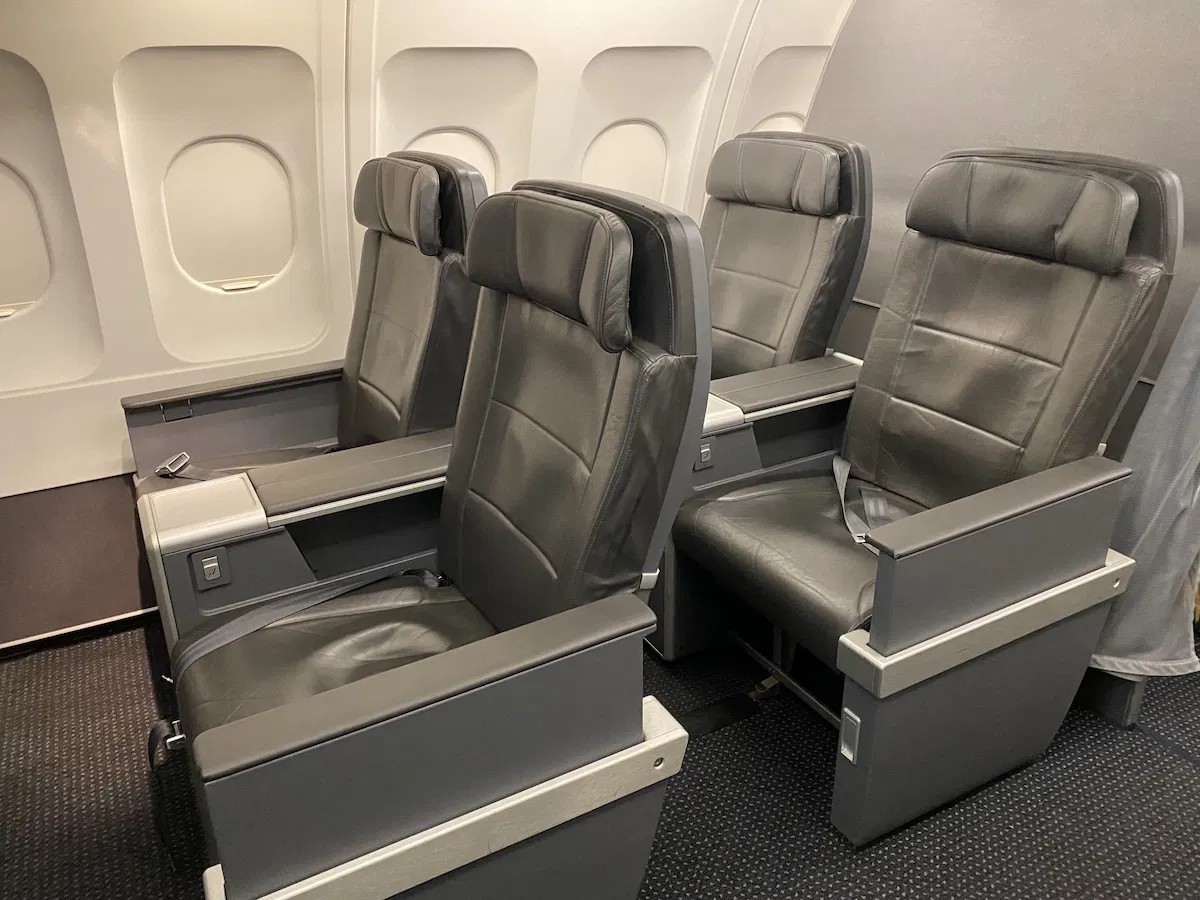
The airline is retrofitting its entire fleet of these narrow-body aircraft over the next two years, adding an extra row of first-class seats. This means:
– Airbus A319s will increase from 8 to 12 first-class seats.
– Airbus A320s will increase from 12 to 16 first-class seats.
The upgrades also include power ports at every seat, larger overhead bins, and updated interior finishes. The first retrofitted plane (registration N9002U) has already entered service, with interiors matching the newer style found on American’s Boeing 787-9 and Airbus A321XLR aircraft.
Capacity Increases Mean Tighter Economy Seats
American is simultaneously increasing overall capacity on these planes. For example, the A319 will go from 128 to 132 seats, and the A320 from 150 to potentially 157 seats. This increase is achieved by reducing seat pitch (legroom) and reconfiguring the rear galley.
The airline is effectively following Delta’s lead in maximizing seat density. The reduction in galley space allows for lavatories to be moved to the rear, reducing space for crews and potentially making jump seats less comfortable.
The Trade-Off: Premium vs. Economy
The changes are a mixed bag for passengers. First-class travelers and those hoping for upgrades will benefit from the expanded premium cabin. However, economy passengers will experience tighter seating, and flight crews may face reduced galley space.
Notably, American is removing seat-back TVs from its 32 older A319s, which were among the last planes in the fleet to feature this amenity. This move signals a shift away from these features in favor of maximizing revenue potential.
American Airlines is prioritizing revenue per seat, and the changes to its A319 and A320 fleets reflect that strategy. The airline is betting that increased first-class capacity and a more modern cabin experience will offset the discomfort of tighter economy seating.