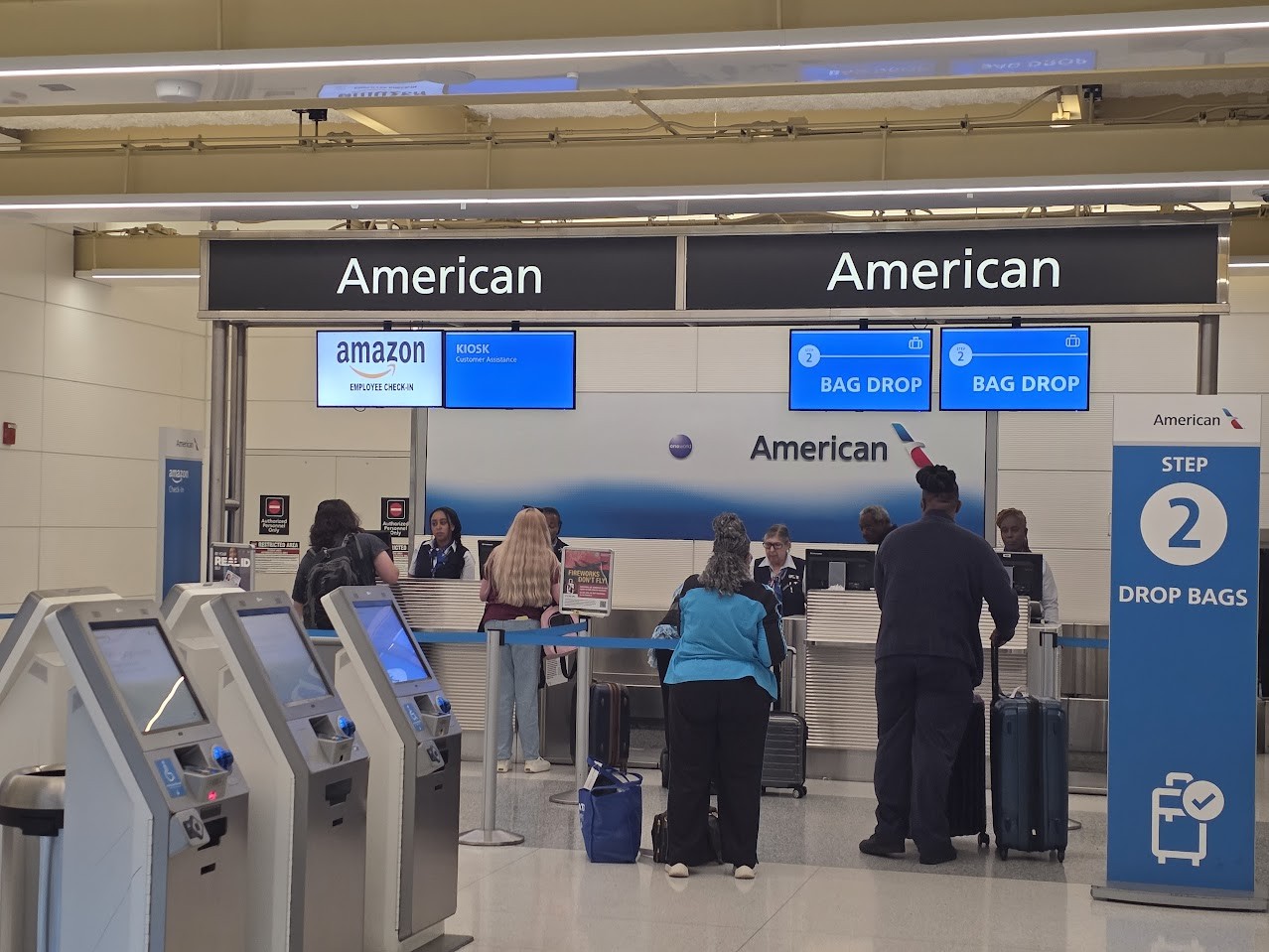
American Airlines is being sued by current and former customer service agents over claims of unpaid work and systematic time theft, but the case faces significant legal challenges. The lawsuit alleges that the airline automatically deducted 30 minutes per shift for meal breaks even when employees were actively working, denying them uninterrupted time off. Additionally, it claims American rounded clock-in and clock-out times in a way that consistently shortchanged workers – sometimes by as much as 14 minutes per day.
The Core Allegation: Agents were required to assist customers even during scheduled breaks, making those breaks effectively unpaid work hours. Managers were reportedly informed of these missed breaks but often refused to reverse the deductions, resulting in 0.5 to 2.5 hours of unpaid labor per week for some employees. The lawsuit covers workers dating back to January 30, 2020, under the Fair Labor Standards Act, alongside a proposed class for Tennessee employees.
However, American Airlines may not face significant risk. The Fair Labor Standards Act exempts airline employees from overtime protections under the Railway Labor Act, and the company has won similar cases before. The airline will likely argue that any wage discrepancies were isolated incidents rather than a systemic issue.
Key Legal Obstacles: Proving the case as a class action will be difficult. To succeed, plaintiffs must demonstrate consistent, company-wide practices of wage theft, not just isolated instances. They would need evidence that managers systematically ignored valid break-time claims, and that American’s timekeeping practices were deliberately designed to underpay workers. Absent a “smoking gun,” the case may devolve into individual disputes.
Furthermore, the Tennessee claim is likely barred by the Railway Labor Act due to existing union contracts covering passenger service agents. This makes it difficult to argue that American violated state laws regarding breaks and wages.
The Broader Context: Lawsuits over unpaid labor are becoming increasingly common in the airline industry. Southwest flight attendants are suing over boarding pay, United attendants allege wage violations, and workers at Delta Sky Club LAX claim they aren’t compensated for security checks. While these cases often rely on state laws conflicting with federal regulations or union agreements, the American Airlines lawsuit presents a more direct claim of wage theft – working during breaks and being shortchanged on time.
Whether the plaintiffs can overcome the legal hurdles and prove a systemic pattern of wage theft remains to be seen. If the claims are true, the case highlights a serious issue of worker exploitation. But converting this into a certified class action will require significant evidence and legal maneuvering.