


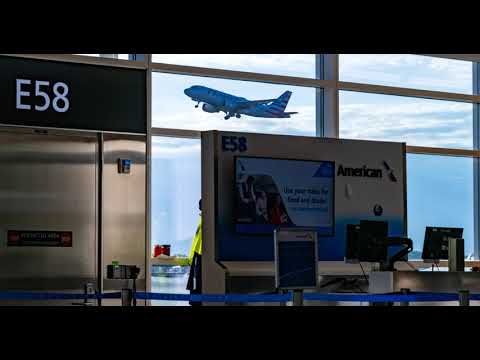
American Airlines is facing a rare public rebuke from its labor unions, with both pilots and flight attendants expressing deep dissatisfaction with the company’s current leadership and strategic direction. The criticism is significant because it comes outside of typical contract negotiations, signaling fundamental concerns about the airline’s performance.
Unions Issue Votes of No Confidence
On Monday, the Association of Professional Flight Attendants (representing 28,000 workers) unanimously voted no confidence in CEO Robert Isom. The pilots’ union, representing 16,000 members, followed up Friday by requesting an urgent meeting with the board of directors, stating American is “on an underperforming path” without a clear recovery strategy.
This level of public disapproval is unusual in the airline industry, where labor disputes often remain behind closed doors during contract talks. Here, the unions are raising broader issues about the airline’s direction, not just wages or benefits.
Performance Lags Behind Competitors
American Airlines has demonstrably fallen behind Delta and United in profitability. Data from S&P Capital IQ shows that in 2024 and 2025, Delta captured approximately 56% of U.S. airline profits, while United secured 43%. American lagged significantly at just 6%, despite being the largest carrier by flight volume and passenger numbers. This discrepancy directly impacts workers, as profit-sharing programs mean lower payouts for American’s employees.
Strategic Shortcomings
Experts point to several factors driving this gap. Delta and United operate more profitable routes and airport hubs. More critically, American has underinvested in premium seating – a key revenue driver in modern air travel. These upgraded cabins are now generating substantial profits for competitors, while American has been slow to adapt.
Flight attendants’ union president Julie Hedrick stated bluntly: “From abysmal profits earned to operational failures that have frontline workers sleeping on floors, this airline must course-correct before it falls even further behind.” The union’s formal lack of confidence in the CEO is a first-time occurrence, underlining the severity of the situation.
The growing gap in profitability suggests that American Airlines is failing to capitalize on key industry trends. Without swift action to improve strategic investment and operational efficiency, the airline risks continued underperformance and further erosion of its competitive position.


