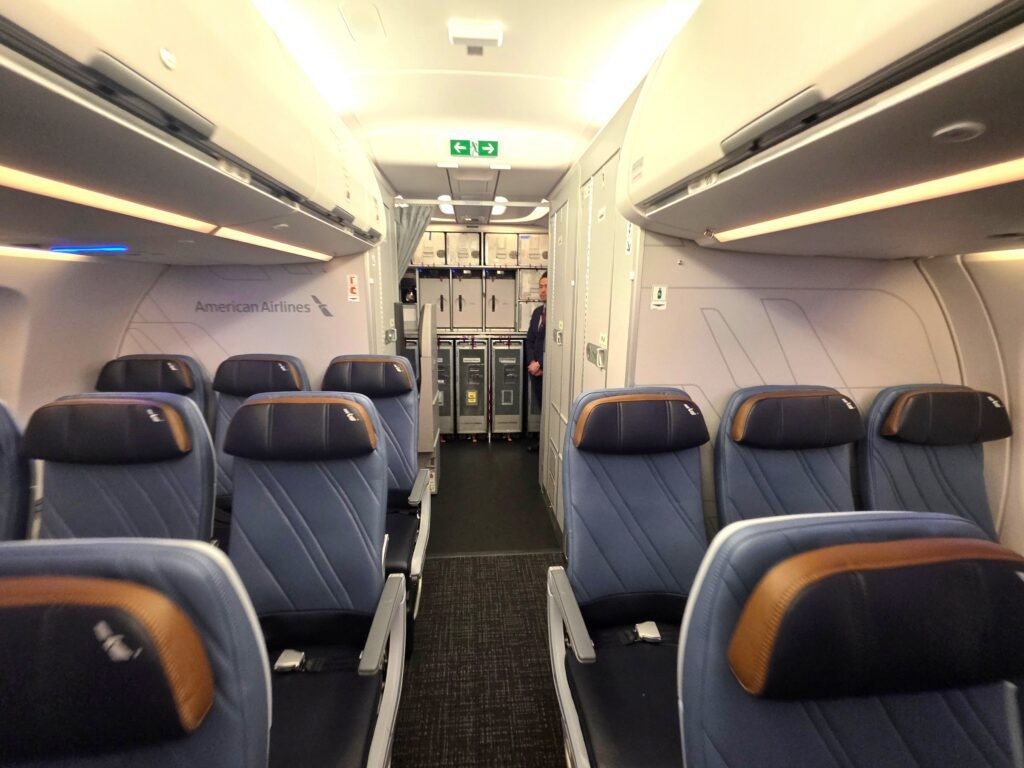
American Airlines has quietly updated its Contract of Carriage, implementing stricter rules for reporting wheelchair damage and reducing refunds for involuntary cabin downgrades. These changes, now in effect, significantly limit passenger recourse in two key areas: damaged mobility devices and oversold premium cabins.
Stricter Time Limits for Wheelchair Claims
The airline now requires passengers to report lost or damaged wheelchairs within 24 hours for domestic flights and 21 days for international trips. Previously, no such filing deadline existed. This shift is notable because American Airlines already leads the industry in wheelchair damage incidents. Critics suggest the new policy will allow the airline to deny claims more easily, as many passengers may not discover damage immediately or struggle to navigate reporting procedures promptly.
The changes raise concerns about practical enforcement:
- Delayed Damage: Many wheelchair issues, such as bent frames or joystick malfunctions, may not be obvious until after travel.
- Reporting Barriers: Passengers may face obstacles like closed baggage offices, long lines, or physical limitations preventing timely reporting.
- Bureaucratic Hurdles: Misfiled reports (e.g., categorized as “assistance issues” instead of “mishandled assistive devices”) could be dismissed if not escalated correctly.
Reduced Refunds for Downgrades
American Airlines now caps refunds for involuntary downgrades to 40% of the original ticket price. Previously, passengers received the fare difference between premium and downgraded cabins. This means that if a business-class ticket ($1,050) is downgraded to coach ($200), the passenger receives only $420 back instead of the $850 difference.
This change creates a financial incentive for airlines to overbook flights and profit from downgrades:
- International Flights: The impact is greater on international routes, where refunds could be as low as $2,000 on a $5,000 business-class ticket instead of the $4,500 difference.
- DOT Conflict: The policy appears inconsistent with the Department of Transportation’s (DOT) guidance, which emphasizes full fare refunds for downgrades.
- Refund Calculation Issues: Passengers have reported difficulties with American Airlines’ refund calculations, sometimes receiving drastically lower amounts than expected.
What This Means for Travelers
These changes reflect a broader trend toward airlines prioritizing profit over passenger satisfaction. The stricter policies may reduce financial liability for the airline but at the expense of customer protection. Passengers flying with mobility devices or purchasing premium cabins should be aware of the updated Contract of Carriage and prepared to file claims immediately and document all interactions with airline staff.
“These changes are completely unreasonable,” says one consumer advocate. “Downgrades should entitle passengers to either the difference in prevailing fares or the difference between the most and least expensive fares paid in the cabin.”
The DOT’s limited enforcement capabilities leave passengers with little recourse, and the airline’s changes likely will stand.