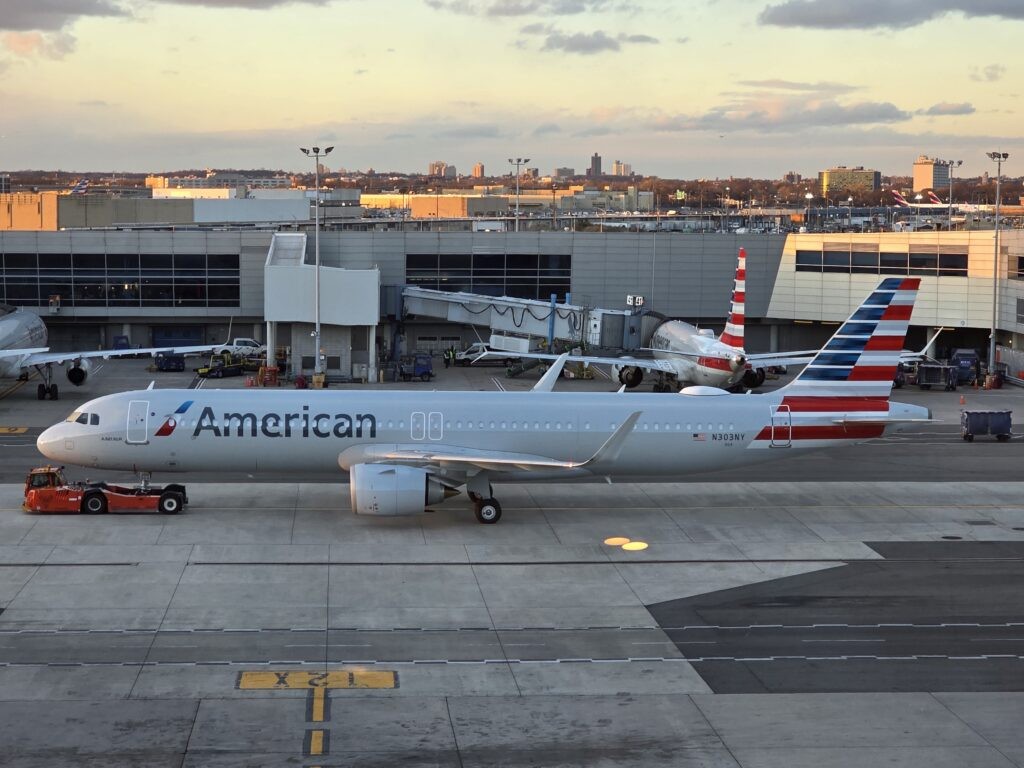
American Airlines is introducing a new system to directly inform passengers about the reasons behind flight delays and cancellations, using plain language rather than industry jargon. This move aims to improve customer transparency and reduce reliance on costly customer service interactions.
Why This Matters
For years, airlines have left passengers guessing about the causes of disruptions, fostering frustration and distrust. Providing clear explanations—even if the reason is simply “waiting for crew”—can significantly improve customer satisfaction. This shift acknowledges that passengers want honesty and control over their travel experience.
Following United’s Lead
American Airlines is adopting a strategy pioneered by United, which already provides detailed, natural-language explanations for delays. Examples from United include: “We want you to know your flight is departing late because we needed to finish cleaning your plane” or “…our connecting flight to Bangor was canceled due to a lack of FAA staff.” The goal is to replicate this level of clarity, delivering explanations via the American Airlines mobile app, website, push notifications, emails, and text messages starting in late March.
Balancing Cost Reduction and Customer Experience
While the airline emphasizes improving the digital experience, the move also serves a financial purpose: reducing the need for expensive live customer service support. American Airlines Chief Customer Officer Heather Garboden states that pairing self-service tools with explanations will give customers “greater transparency and more control.”
However, some observers believe that the airline is prioritizing cost-cutting before fully developing the technological infrastructure to replace in-person assistance. Despite this concern, the overall trend indicates that American Airlines is moving toward a more customer-centric approach.
Ultimately, this shift represents a growing recognition within the industry that transparency builds trust and empowers passengers to manage disruptions more effectively. The success of this strategy will depend on how well American Airlines executes the rollout and maintains consistent, honest communication.