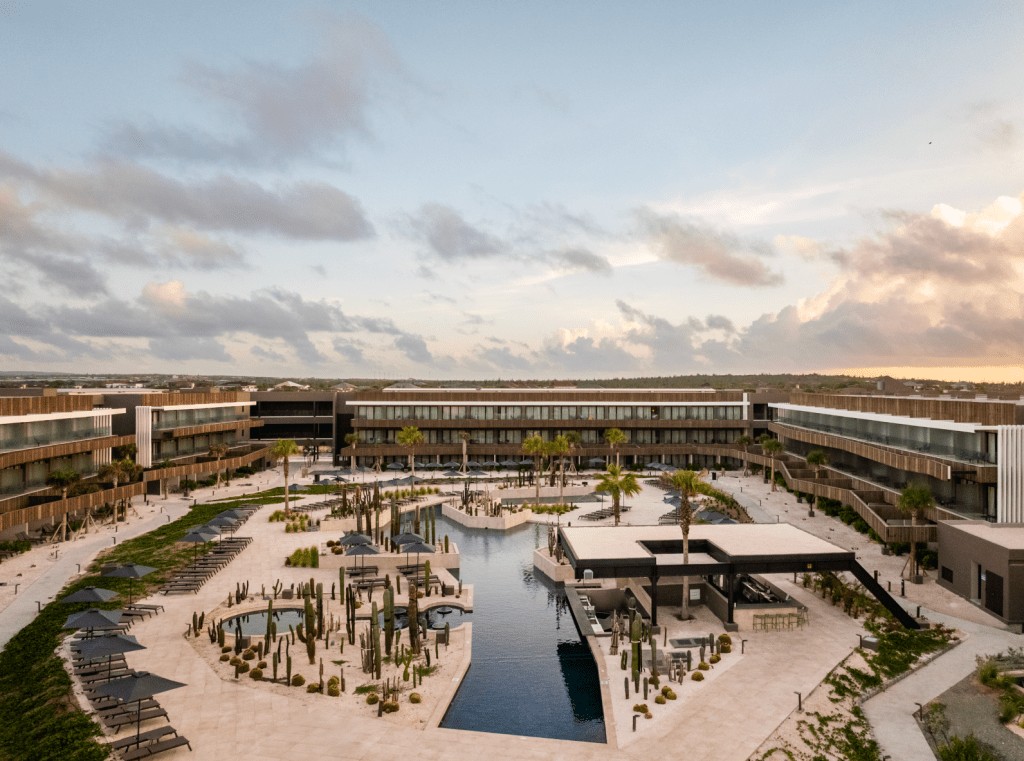
All-inclusive resorts are no longer a niche option—they’re rapidly becoming the preferred way to travel for a growing number of consumers. Recent data confirms this shift : 87% of travelers have either stayed at or considered an all-inclusive resort, with 60% now more likely to choose this model than they were just five years ago. This surge isn’t accidental; it reflects changing priorities and demands within the travel market.
The Rise of Value and Control
Travel is now considered essential for many. 90% of people surveyed took at least one trip in the past year, and nearly 60% took two to three. With travel spending expected to increase in 2026, consumers are actively seeking maximum value. All-inclusive resorts deliver on this front by providing clarity in pricing, streamlined planning, and a high degree of control over the experience. As Maria Zarraluqui, Senior Vice President at Hyatt Inclusive Collection, notes, all-inclusive resorts are uniquely positioned to meet demand for both experiences and personalization.
Generational Trends: Loyalty Starts Young
The appeal of all-inclusive stays isn’t evenly distributed. 84% of those who’ve tried all-inclusive resorts become repeat customers, and 45% return at least four or five times. The trend is even stronger among younger generations. 42% of Gen Z and 33% of Millennials stayed at an all-inclusive resort in the past year, far outpacing older demographics.
This generational shift makes sense: younger travelers prioritize value and convenience. 75% of Millennials and 68% of Gen Z agree that all-inclusive resorts offer better value than piecing together a trip independently. The long-term implications are clear: as today’s young consumers become the core of the frequent-traveler market, loyalty built now will pay dividends for all-inclusive brands.
Well-Being Beyond Amenities
Modern travelers aren’t just looking for a place to relax; they want experiences that support their overall well-being. 84% of consumers consider access to well-being activities important, but the definition of “well-being” has evolved. It’s no longer just about fitness classes; it includes relaxation, quality sleep, healthy dining, and meaningful connections with loved ones.
Resorts that understand this holistic approach will win. 70% of travelers prioritize relaxation, 59% value quality sleep, and many also seek cultural immersion and outdoor adventures. Simplifying logistics—meals, activities, group time—allows guests to focus on the present moment, creating a deeper sense of rejuvenation.
The Future Is Personalized
The next evolution of all-inclusive travel lies in personalization. 80% of guests feel resorts do a good job understanding their preferences, but there’s room to improve. 44% want real-time recommendations (activities, room service) based on their behavior during the trip, while 34% crave private, locally-guided experiences.
Personalization isn’t just about the current stay; it’s about anticipating needs for different travel scenarios (couples’ retreats vs. family vacations). Brands that build trust and create a portfolio of properties catering to diverse needs will foster long-term loyalty.
The all-inclusive model has matured, moving from mass-market volume to a sophisticated, curated experience. Looking ahead, it will only become more popular, especially among younger generations seeking value, control, and a holistic approach to travel.
This analysis shows that all-inclusive travel is not just a trend, but a fundamental shift in how people approach vacations. The industry’s success will depend on its ability to adapt to changing consumer expectations and deliver personalized, value-driven experiences.