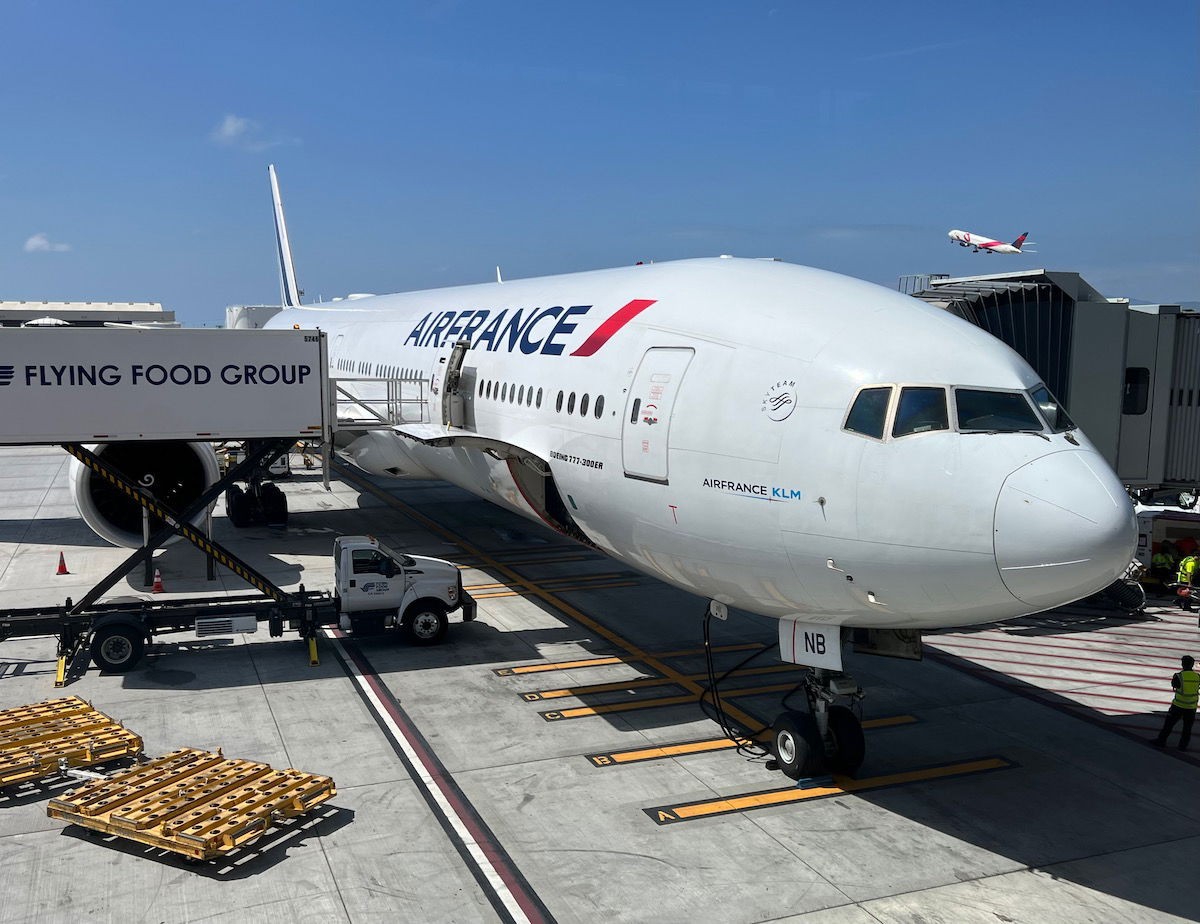
After eighty years of operation, Air France has ceased all flights from Paris Orly (ORY), officially consolidating its operations at Paris Charles de Gaulle (CDG) as of March 29, 2026. The move, announced in 2023, represents a strategic shift in the airline’s network, driven by changing travel patterns and efficiency considerations.
A Shift in Strategy: Why Orly?
For decades, Air France divided its Paris operations between the two airports: CDG, the larger international hub, and ORY, which catered more to domestic and leisure routes. The decision to abandon Orly wasn’t sudden. It followed a clear trend. Domestic air travel demand in France has been declining, particularly for short-haul routes with viable train alternatives.
A 2023 analysis revealed that traffic on domestic flights from Orly had plummeted by 40% since 2019, while day-return trips dropped by a staggering 60%. These figures underscore a fundamental change in how French travelers move – fewer short hops by air, more reliance on rail.
Transavia Steps In: A Low-Cost Continuity
The Air France-KLM Group isn’t abandoning Orly entirely. Instead, its low-cost subsidiary, Transavia, will expand its presence at the airport, filling the void left by Air France. This is a deliberate move to maintain a footprint at Orly while leveraging a more cost-efficient model.
Transavia will take over the former Air France lounge and introduce Flying Blue elite perks for passengers, ensuring some level of continuity for loyal customers. Air France employees previously stationed at Orly have been offered positions at CDG, mitigating job losses.
The Bigger Picture: Mega-Hubs and Efficiency
This realignment mirrors a wider industry trend towards consolidating operations at major hubs. Concentrating flights at CDG simplifies logistics, improves connectivity, and reduces operational costs. Air France’s move echoes similar strategies employed by other airlines like British Airways, which has shifted short-haul routes from Gatwick to Heathrow while retaining a subsidiary presence at the former.
The decision to consolidate reflects not just changing demand but also a broader industry push for streamlined efficiency. Airlines are increasingly favoring mega-hubs for better network optimization.
Conclusion
Air France’s departure from Paris Orly marks the end of an era, but it’s also a pragmatic response to evolving market conditions. By consolidating at CDG and empowering Transavia at Orly, the airline group aims to optimize its network, cut costs, and remain competitive in a changing aviation landscape. The transition is not an abandonment, but a strategic repositioning for long-term sustainability.