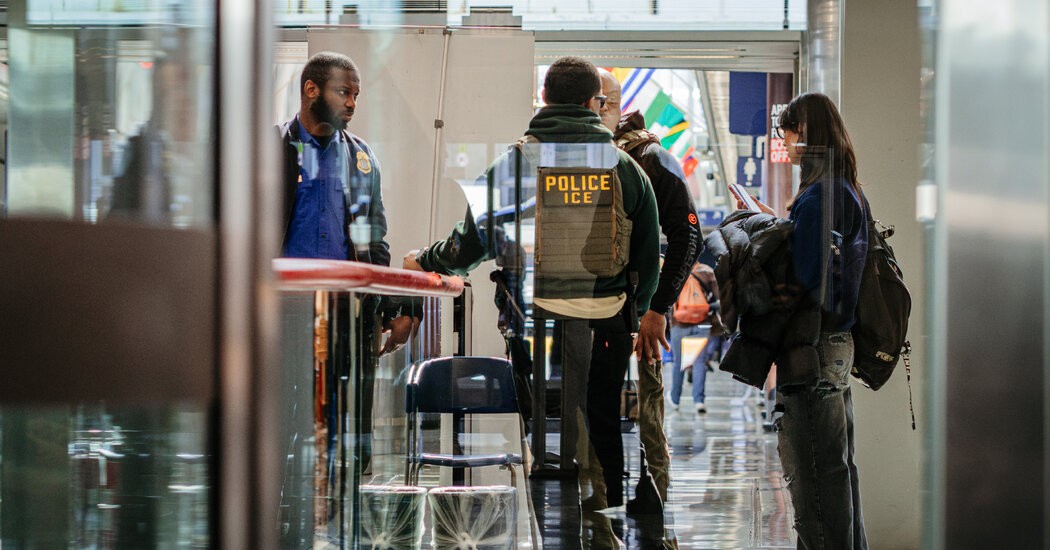
Immigration and Customs Enforcement (ICE) agents could continue operating at U.S. airports even after Transportation Security Administration (TSA) employees receive back pay, according to Tom Homan, the White House’s top border official. This is a direct result of the recent federal government shutdown and the resulting staffing shortages at airports nationwide.
The Shutdown’s Impact on Airport Security
The deployment of ICE agents to airports began as a temporary measure during the shutdown of the Department of Homeland Security, which left TSA agents working without pay. The aim was to fill gaps caused by reduced staffing and to maintain security levels. However, the situation is more complicated than simply restoring paychecks.
Over 500 TSA employees have quit, and a significant number (over 12% of the workforce) called in sick on Friday alone. This means that even with restored pay, operational challenges will persist. Wait times at security checkpoints have reportedly stretched for hours at some locations, and the agency is still short-staffed.
ICE’s Continued Role and Debate
Homan stated that ICE agents will remain “until the airports feel like they’re 100 percent” and normal operations resume. They are currently performing identification checks and “plugging security holes,” though critics argue their presence is largely symbolic. The union representing TSA officers claims ICE agents are “just getting in the way,” while some reports suggest they are patrolling halls rather than actively addressing security bottlenecks.
The exact role of ICE agents remains unclear, sparking debate over whether they are genuinely alleviating pressure on TSA or simply creating an additional layer of bureaucracy.
Why This Matters
The continued presence of ICE at airports raises questions about the long-term implications of federal shutdowns on essential services. The situation highlights the vulnerability of critical infrastructure to political gridlock and the potential for prolonged disruption even after immediate funding issues are resolved.
The government’s reliance on ICE to patch security holes demonstrates a systemic weakness in crisis management and the potential for future disruptions if similar shutdowns occur.
This situation is not just about TSA and ICE; it’s about the broader resilience of U.S. transportation security in the face of unpredictable political challenges.
The Department of Homeland Security expects approximately 50,000 TSA employees to receive paychecks as early as Monday, but it will take more than money to fix the staffing problems.