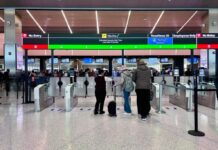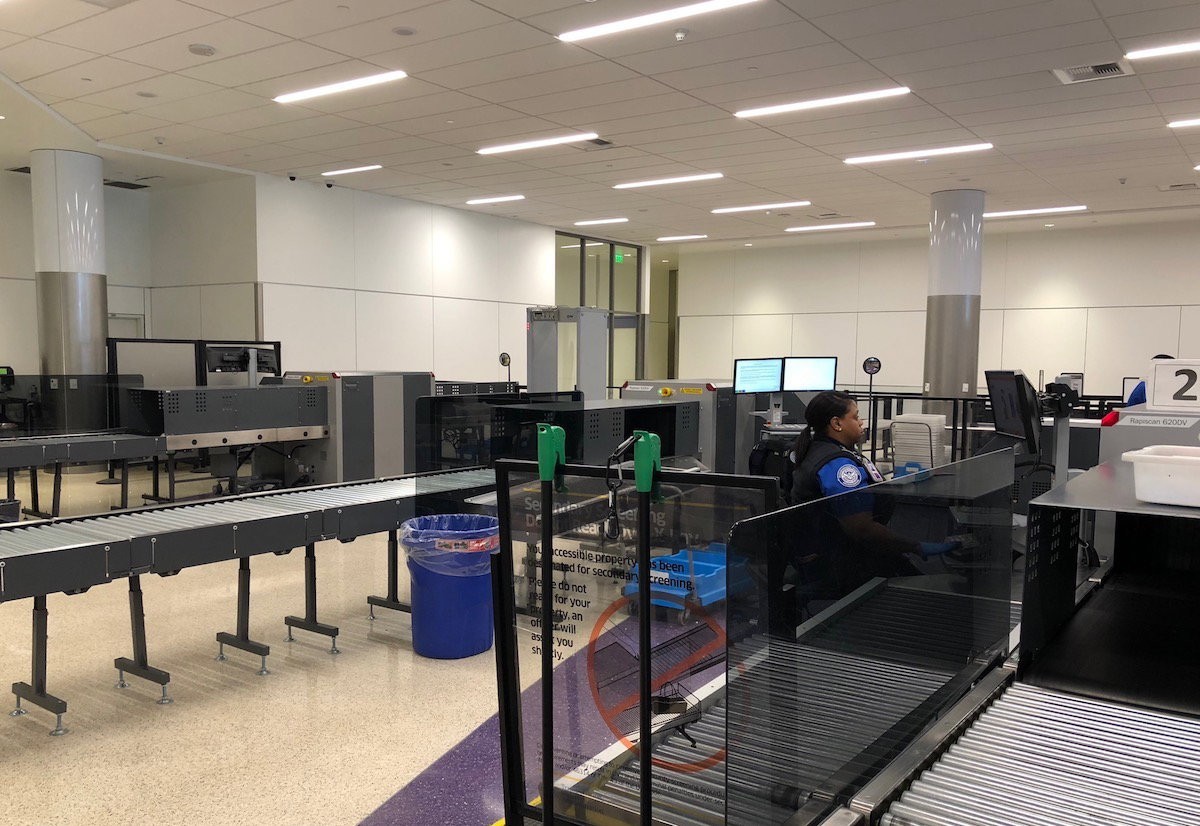
The White House has released its 2027 budget proposal, revealing a significant shift in how aviation security may be managed in the United States. A key pillar of the 90-page document is a plan to privatize portions of the Transportation Security Administration (TSA), a move aimed at reducing federal spending and reforming agency operations.
The Strategy: A Gradual Transition
Rather than an immediate dissolution of the agency, the administration appears to be opting for a phased approach. The proposal focuses on achieving $52 million in cost savings by expanding the use of the Screening Partnership Program (SPP).
Under the current SPP framework:
– The TSA pays private contractors to provide security screening services.
– This model is already utilized at various locations, ranging from small regional airfields to major hubs like San Francisco (SFO) and Kansas City (MCI).
– The administration argues that airports already participating in this program demonstrate higher cost-efficiency than those relying solely on federal screening operations.
The 2027 plan specifically targets smaller airports, requiring them to enroll in the SPP to kickstart the privatization process.
Context: Reform vs. Abolition
This proposal sits on a spectrum of political ideas regarding aviation security. While the current budget suggests a gradual transition, more radical legislative efforts have emerged in the past. For instance, the “Abolish the TSA Act” introduced by Republican senators sought to completely dissolve the agency, replacing it with a competitive market of private security providers overseen by a new federal office.
The Trump administration’s approach is notably more conservative in its execution, focusing on incremental reform through existing programs rather than a total structural overhaul.
Key Considerations and Risks
The move toward privatization raises several critical questions regarding the balance between fiscal efficiency and national security.
1. Efficiency vs. Safety
While the administration highlights cost savings, critics often point to the inherent tension between profit motives and security standards. In a private-sector model, companies are driven by the bottom line; the central question is whether a drive for short-term financial gain could lead to a compromise in the rigor of security screenings.
2. Oversight and Competition
If the government moves toward a model where private companies compete for security contracts, the fairness and transparency of the bidding process will be under intense scrutiny. Ensuring that contracts are awarded based on merit and security capability—rather than political influence—will be a significant regulatory challenge.
3. Operational Stability
One potential benefit of privatization is the decoupling of airport security from the volatility of federal budget battles. Currently, TSA officers can become “political pawns” during government shutdowns, leading to pay delays and operational uncertainty. A private workforce would theoretically operate independently of these federal funding cycles.
Summary
The 2027 budget proposal signals a move toward a hybrid security model, using private contractors to manage screening at smaller airports to save millions in taxpayer funds. While this could increase fiscal efficiency and insulate security from government shutdowns, the long-term success of the plan will depend on whether private oversight can maintain the same rigorous safety standards as federal operations.